


How Water Impacts the Taste of Tea: The Hidden Key to a Better Cup
Have you ever brewed the same leaves for the same time at the same temperature and still ended up with a cup that tasted different? The usual culprit is the water.
The water you brew with can change your tea a lot, and the reason is chemistry. It starts with pH.

pH measures how acidic or alkaline (basic) something is. The scale runs from 0 to 14, and 7 is neutral. Anything below 7 is acidic, and anything above 7 is alkaline.
Different kinds of water sit at quite different points on that scale:
Distilled water: around pH 7 (neutral)
Tap water: around pH 7.5, depending on where you live
Bottled water: anywhere from pH 5 to 10, depending on the brand
Sparkling water: pH 4.5 to 6 (slightly acidic)
Ocean water: around pH 8 (alkaline)
Alkaline water: pH 8 to 10 (very alkaline)
Humic waters: pH 4.5 to 5.0 (acidic, often found in areas with dense vegetation)
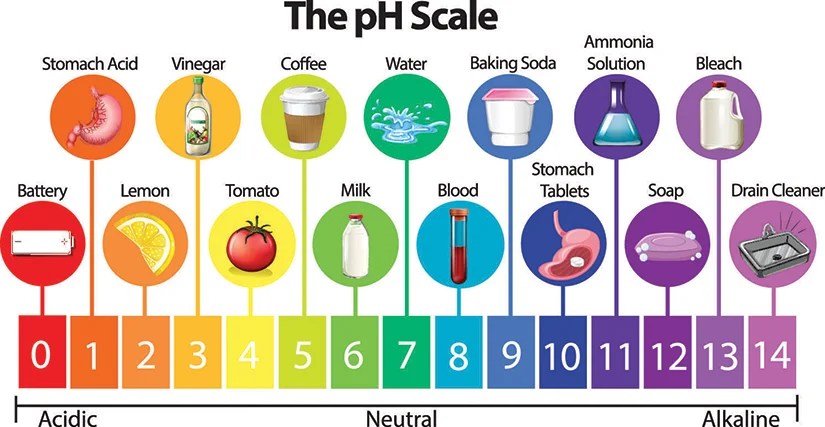
Picture: culligan.com
How water interacts with tea molecules
Steeping is a chemical process. First, at the right temperature and time, water works its way into the cells of the leaves. The water then reacts with the chemicals inside and breaks down the cell walls. That releases the flavour compounds, such as polyphenols, caffeine, and essential oils, into the water, and you can watch the colour of the water change as the tea steeps.
Water pH and tea taste
The taste and aroma of tea come from the polyphenols in the leaves. With neutral water (pH 7), those flavour compounds come out cleanly. Water that is too acidic or too alkaline gets in the way.
With acidic water (pH below 7), impurities in the water react with the tea and form new compounds, which often make it taste metallic or bitter.
With alkaline water (pH above 7), the water reacts with the tea's compounds and can leave a slippery or soapy feel on your tongue that spoils the flavour.
The purer the water, the purer the tea tastes.
The best water pH for brewing tea
Water with a pH between 7 and 8, neutral to mildly alkaline, lets the tea's own flavour come through without any odd aftertaste.
Avoid water below pH 6.5, which can make tea taste metallic and bitter. Avoid water above pH 8 as well, since it can feel slippery on your tongue and flatten the more delicate flavours. Tap water is usually fine, because most of it falls within the ideal range. If yours is heavily treated or has a strong taste, switch to filtered water.
Next time a cup tastes off, check the water before you blame the leaves. Small differences in pH can change the flavour and aroma more than you'd expect.
Tell us in the comments what water you brew with and how it changes your tea.
Written by:
Bhaskar Dahal


